Figma Launches Collaborative AI Mockup Generation
Figma rolled out an expanded AI-assisted design feature within its main editor, allowing teams to generate editable UI mockups from plain-text prompts directly on the canvas. The update integrates with existing component libraries so generated frames automatically pull from your established design system rather than producing disconnected placeholders.
IDEO Designers Share "Anti-Brief" Reframing Technique
Senior designers at IDEO published a walkthrough on reframing client briefs by deliberately inverting every constraint — turning "design for accessibility" into "design for maximum friction" — to expose hidden assumptions before any ideation begins. The piece, featured in Fast Company Design, includes a printable constraint-inversion worksheet used in real client workshops.

Aaron Draplin's Raw Thread on "Logo Pressure" Goes Viral
Aaron Draplin — founder of DDC, author of *Pretty Much Everything*, and one of design's most followed voices with well over 500K across platforms — posted a candid multi-part thread breaking down how he handles client pressure to over-complicate a clean logo concept. He outlines his exact three-step "hold the line" conversation he uses to defend simple, bold work without burning the relationship.

D&AD New Blood Awards — Final Entry Deadline This Week
D&AD New Blood Awards, the most recognised student and young designer competition in the world, has its final brief submission window closing imminently — several briefs set by industry partners including major packaging, branding, and digital experience studios are still open to entrants aged 18–25. Winning or being shortlisted carries genuine weight with recruiters at top agencies globally.
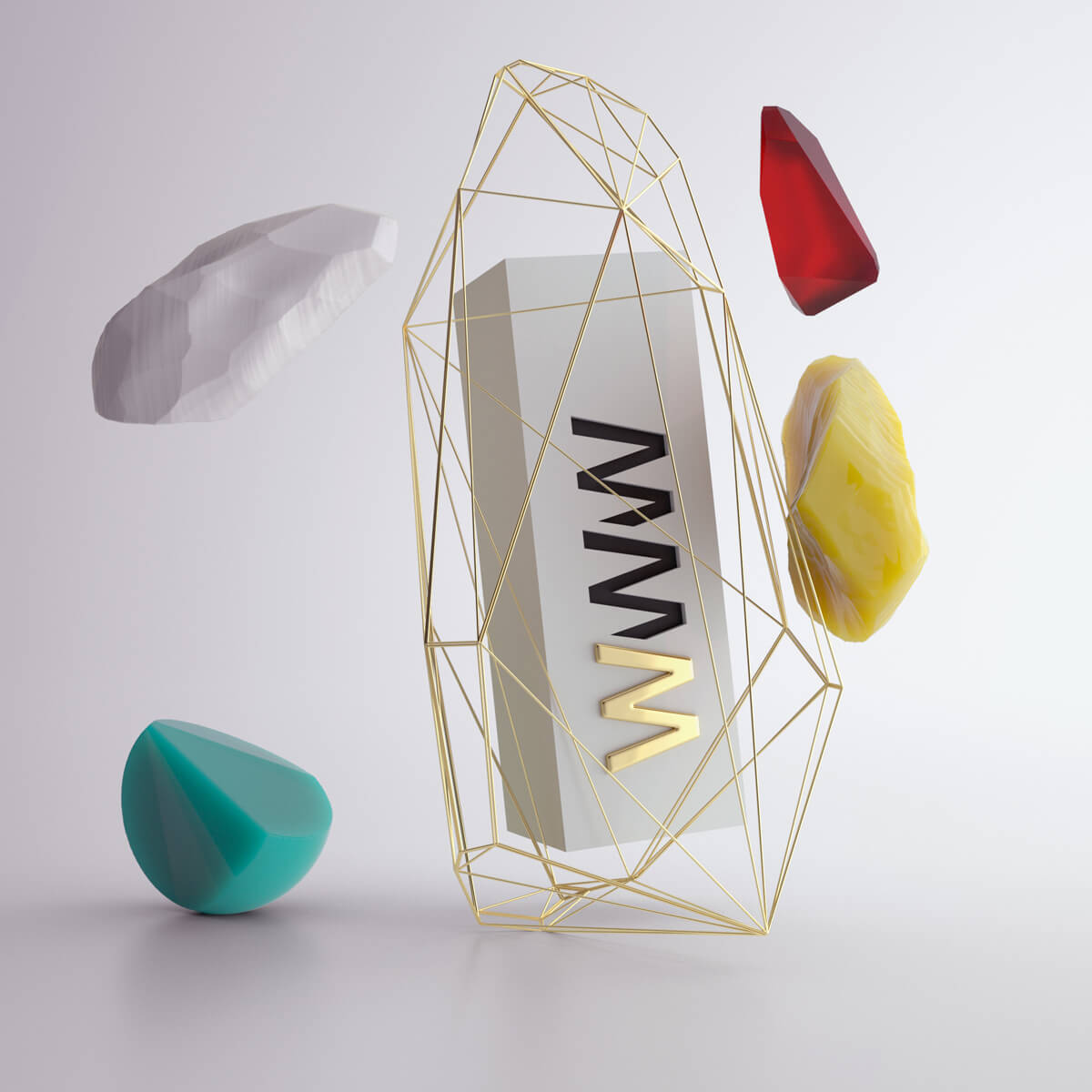
Awwwards Spotlights "Brutalist Softness" as Summer Micro-Trend
Awwwards' editorial team flagged a cluster of recently awarded sites blending classic web brutalism — raw grids, exposed structure, heavy type — with unexpectedly soft palettes: dusty pinks, warm creams, muted sage. The combination is landing because it feels simultaneously bold and approachable, a tension most brutalist work historically avoids.
You’re done for today!
5 stories · under 10 minutes. See you tomorrow.
TODAY’S THREADEvery story today is pointing at the same core skill: **holding a clear creative position under pressure** — whether that's prompting AI without losing your design system, reframing a weak brief before you waste time on it, defending a simple logo concept, entering a competition that forces industry-standard thinking, or consciously choosing a visual tension instead of defaulting to trend. The designers who build that muscle early — the ability to know *why* they made a choice and *say it out loud* — are the ones who get hired, shortlisted, and remembered. Clarity of intention is the real portfolio piece.