Figma Launches AI-Powered "Make Design" Overhaul
Figma has rolled out a significant upgrade to its AI-powered Make Design feature, allowing designers to generate multi-screen UI flows from a single text prompt — not just isolated frames. The update includes tighter component library integration, meaning generated screens pull from your existing design system rather than creating generic placeholders.
IDEO's New "Constraint Sprint" Framework Goes Public
IDEO published a detailed breakdown of their internal "Constraint Sprint" method — a 90-minute structured session where teams deliberately add absurd limitations (zero budget, one color, three words max) to unlock creative solutions faster. The write-up includes a free downloadable facilitation guide aimed at educators and young designers.
Jessica Walsh on Why "Safe" Work Kills Careers Early
Jessica Walsh — Creative Director and founder of &Walsh, with over 900K Instagram followers and multiple D&AD Pencils — gave a candid interview where she warned student designers that building a portfolio of "safe, pretty work" actively signals creative timidity to hiring studios. She outlined three portfolio red flags she sees repeatedly from recent graduates.

D&AD New Blood Awards 2026 — Final Entries Close Soon
D&AD New Blood Awards 2026 is in its final submission window, with briefs open to students and creatives under 25 across graphic design, UX, branding, illustration, and motion. Briefs are set by real global brands and winning work is seen directly by industry recruiters. Entry fees are subsidized for students.
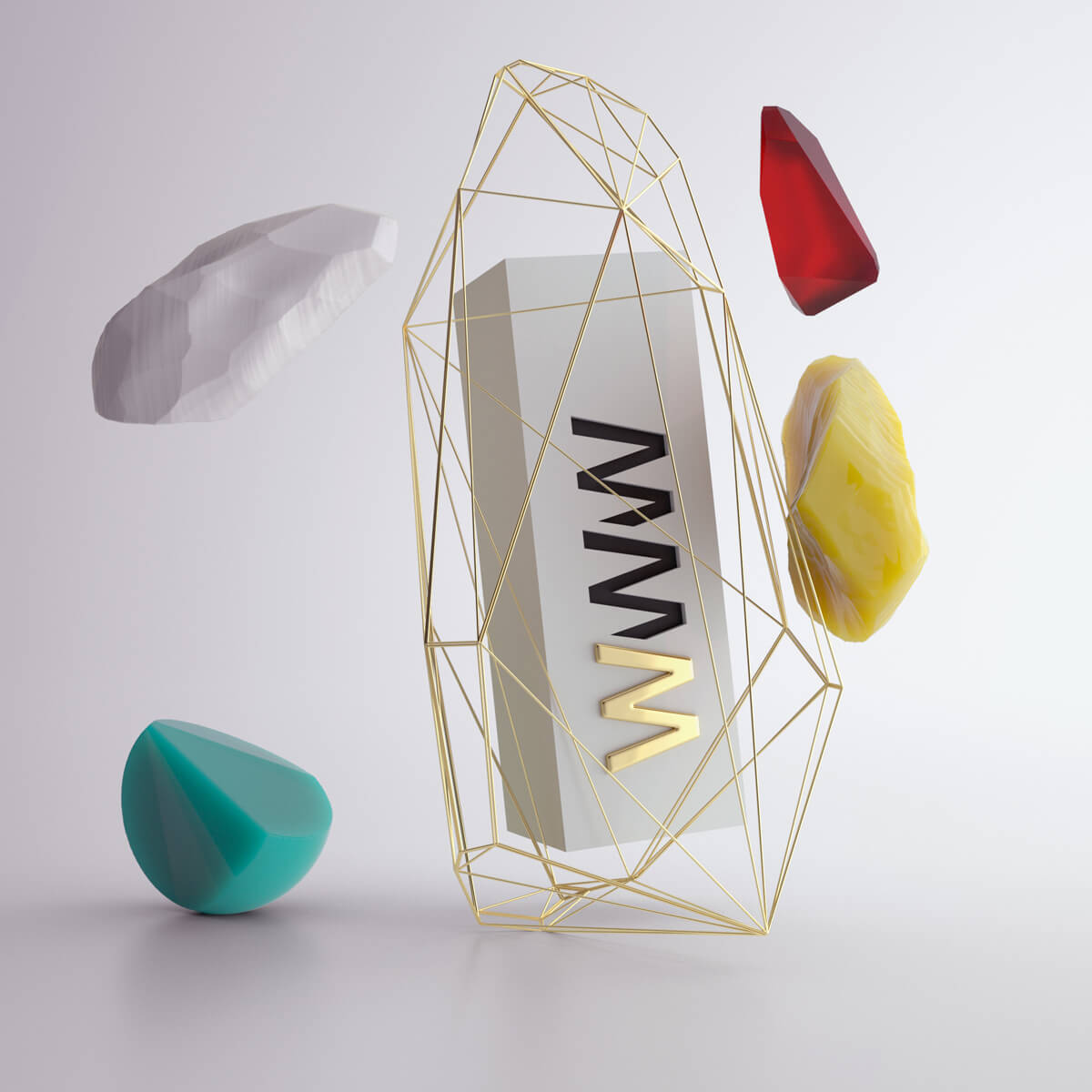
Awwwards Spotlights "Emotional UI" as the Breakout Trend of Mid-2026
Awwwards published its mid-year trend digest, identifying "Emotional UI" — interfaces that respond to user mood, time of day, or interaction cadence with micro-animations and adaptive color — as the dominant web design conversation of 2026 so far. The piece includes six live site case studies with technical breakdowns.
You’re done for today!
5 stories · under 10 minutes. See you tomorrow.
TODAY’S THREADEvery story today points to the same truth: **the tools are getting faster, but your creative judgment is the only thing that can't be automated, templated, or copied.** AI generates the frames, constraints reveal your instincts, bold portfolios open doors, competitions test your nerve, and emotional design proves you understand humans — not just screens. The designers who win in 2026 and beyond aren't the most technically fluent. They're the ones who know *why* they made every single choice.