Figma Node Connects Your Existing Designs to AI at Scale
On 17 September, Figma launched "Figma node," which lets you connect designs you've already created in Figma Design directly to your Figma Weave workflows. Copy any frame from Figma Design, paste it into Figma Weave, and it becomes a node in your workflow — you choose which text and image layers can change, while original fonts, layout, and styling stay intact. The result: you can create campaign variations, localised assets, new visuals, and videos at scale, with changes from the original Figma design syncing into Weave to keep every connected asset up to date.
Adobe Ships AI Audio Generation and an After Effects Assistant Into Your Timeline
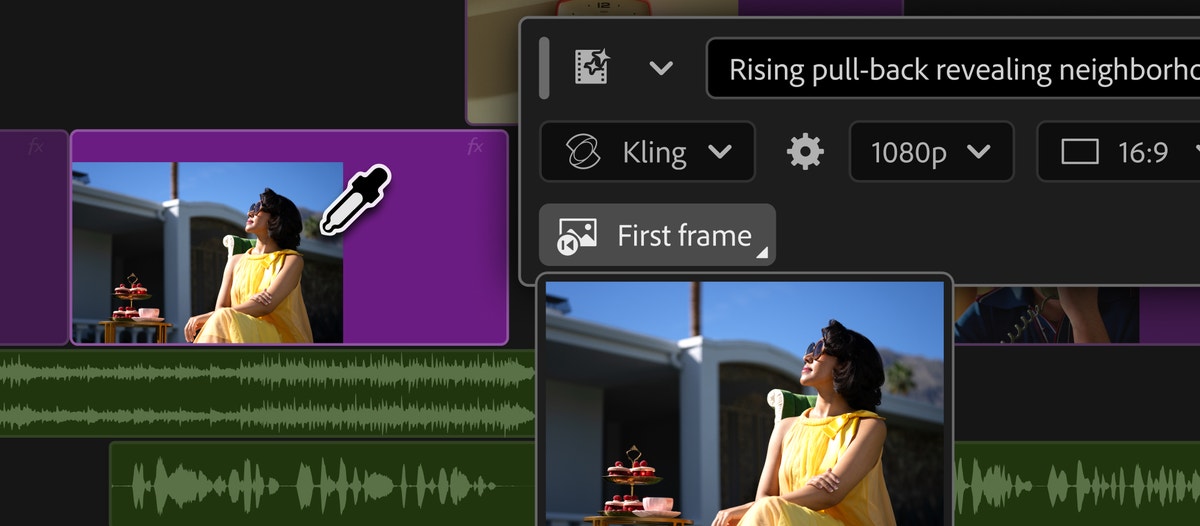
Adobe unveiled new AI-powered tools and upgrades in Premiere and After Effects ahead of IBC 2026, designed to automate tedious tasks and give creators more time for the parts of their craft they love. "Generate Soundscape" analyses up to 15 seconds of video to automatically generate contextually informed audio with layers of ambience and sound effects, customised and timed to the edit. "Generate Music" lets editors generate original music with multiple variations and controls for tempo and looping — and generated music is commercially safe, with synchronisation rights across any type of media. Separately, the AI Assistant is now in public beta inside After Effects, letting you describe what you want in plain language; it can reorganise large projects with thousands of layers, repair technical issues, and orchestrate multi-step workflows across your entire project.
Spotify's Senior Design Director: Human Judgment Is the Real New Skill
At the Fast Company Innovation Festival in New York on 17 September 2026, a panel called "The New Rules of Great Design" brought together senior design leaders from Spotify, Block, and Brooks Running. Emily Galloway, Spotify's Senior Director of Product Design, said: "More is not always better. Faster is not always better. Human judgment is becoming so important." The cost of inventing something new has never been lower, which means the name of the game is discerning what is actually worth building, agreed Brooke Ellis, Block's Chief Design Officer.

D&AD Shift Is Open — Free Creative Night School, No Portfolio Needed
D&AD Shift is a free, award-winning, industry-led night school that helps those without a university background enter the creative industries. Applications are currently open. D&AD states you don't need a portfolio to apply — they want to find out about you, how you think, and your ideas. The programme runs across London, New York, São Paulo, Sydney, and Germany, with alumni including working Creative Technologists, Art Directors, and Creative Strategists at agencies such as WPP and Wieden+Kennedy.
How a Designer Modernised a 125-Year-Old Brand Without Breaking It
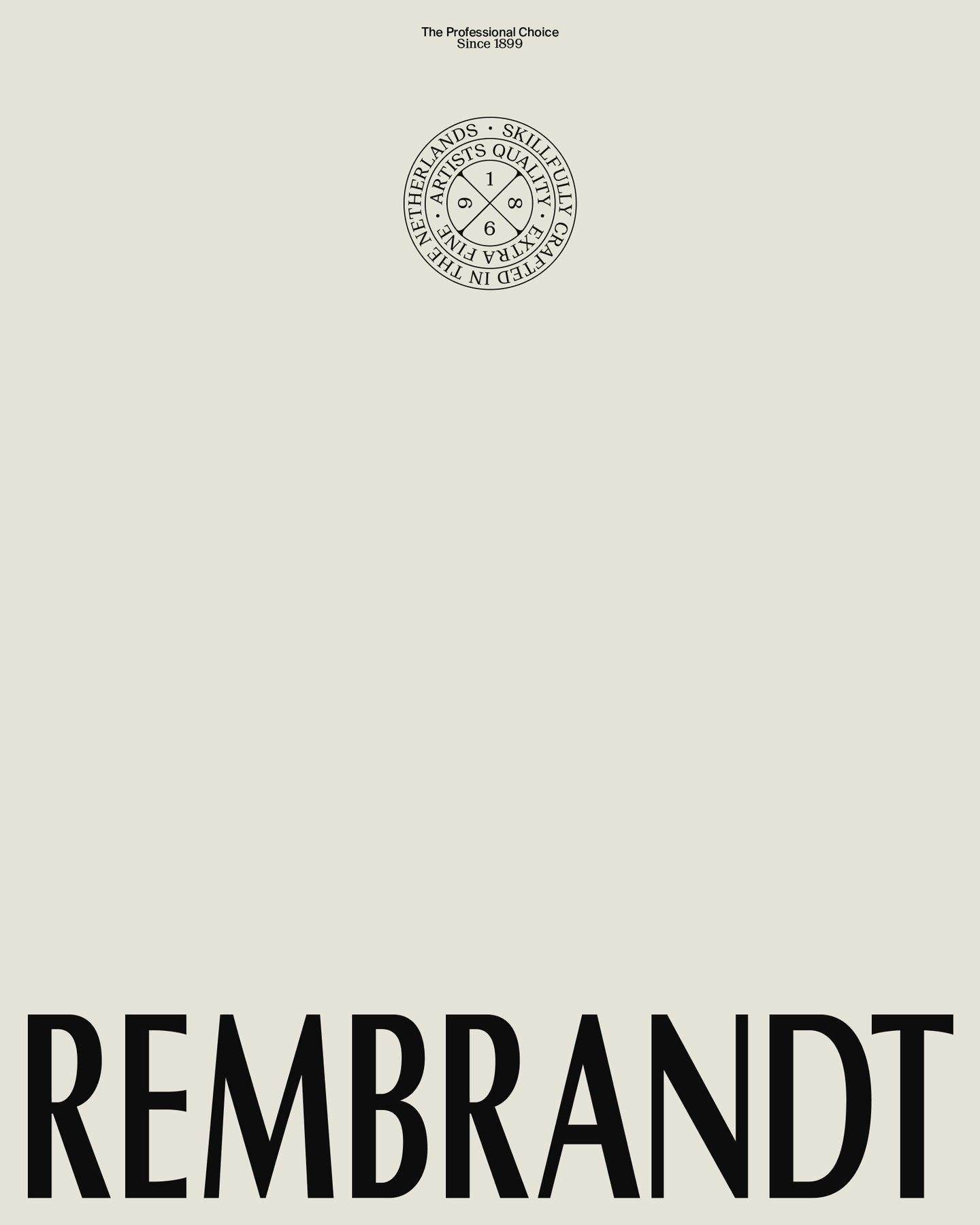
Dutch designer Sylvan Hillebrand recently completed a visual identity refresh for Rembrandt, the professional oil paint company with over 125 years of history and distribution across 100+ countries. His brief: move away from an "overly traditional, slightly dusty expression of craftsmanship" to something relevant to a younger generation of serious artists — without losing the brand's established recognition. Hillebrand kept the logotype because it had to be immediately recognisable, but redrew and kerned it without making the change too noticeable. For typefaces, he introduced Suisse International for the contemporary, functional side alongside Suisse Neu for a more expressive, heritage-led counterpoint. He kept the original black, gold, and off-white colour palette but added burgundy, green, and warm grey — broadening it "without making it feel too bright or trend-led."
You’re done for today!
5 stories · under 10 minutes. See you tomorrow.
TODAY’S THREADEvery story this week circles the same shift: **AI is absorbing the execution layer, so the designer's value has migrated upward — into judgment, restraint, and point of view.** Figma's node and Adobe's audio tools erase production friction; the Fast Company panel names the skill that fills the gap; the Rembrandt rebrand shows what principled restraint looks like in practice; and D&AD Shift proves you can enter the industry on the strength of *how you think*, not what you've already made. The designers winning right now aren't the fastest generators — they're the ones who know what *not* to generate, and why.