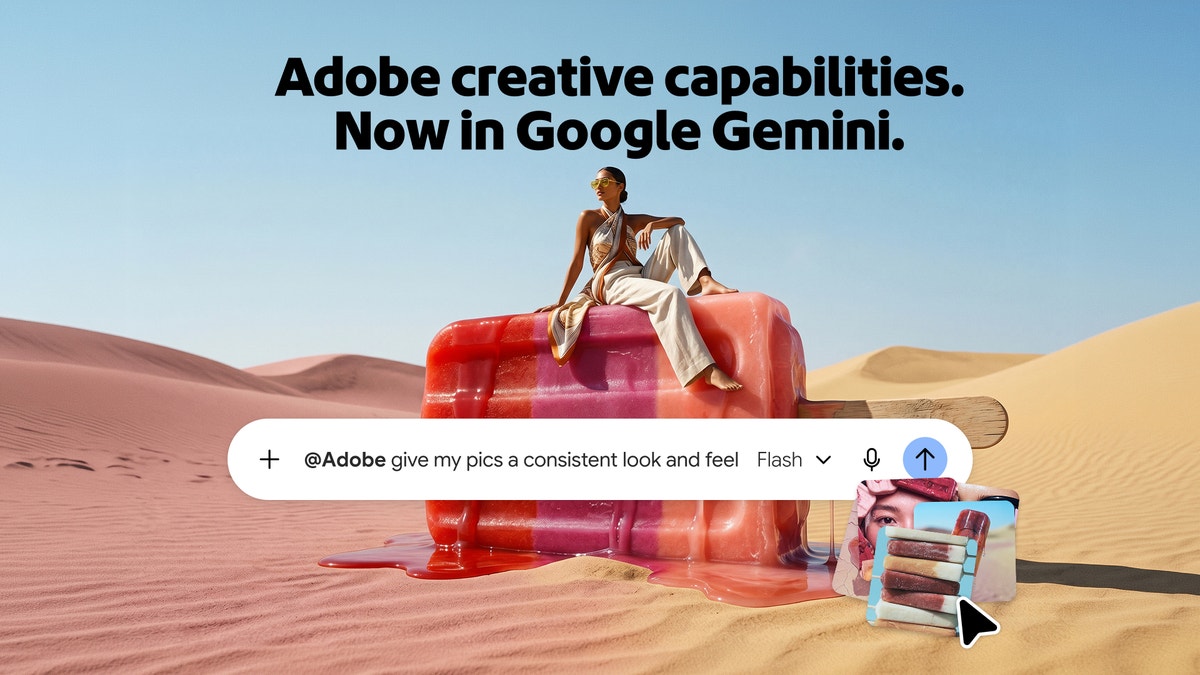
Adobe Lands in Gemini — and Unlocks 80+ Tools Inside Claude
Adobe has brought pro-grade creative tools to Google Gemini with "Adobe in Gemini," and has simultaneously expanded its Adobe for Claude plugin with Acrobat tools, adding new ways to edit PDFs and customize Adobe Express designs directly inside Claude. Google Gemini reaches more than one billion people each month, and with the new integration you can call on tools from Photoshop, Lightroom, Express and Firefly to enhance photos, create marketing assets and customize designs — all through a conversation with Gemini. The expanded Claude plugin now gives you more than 80 pro-grade tools across Acrobat, Express, Photoshop, Illustrator, Premiere, Lightroom, InDesign, and Adobe Stock — all from the same Claude conversation.
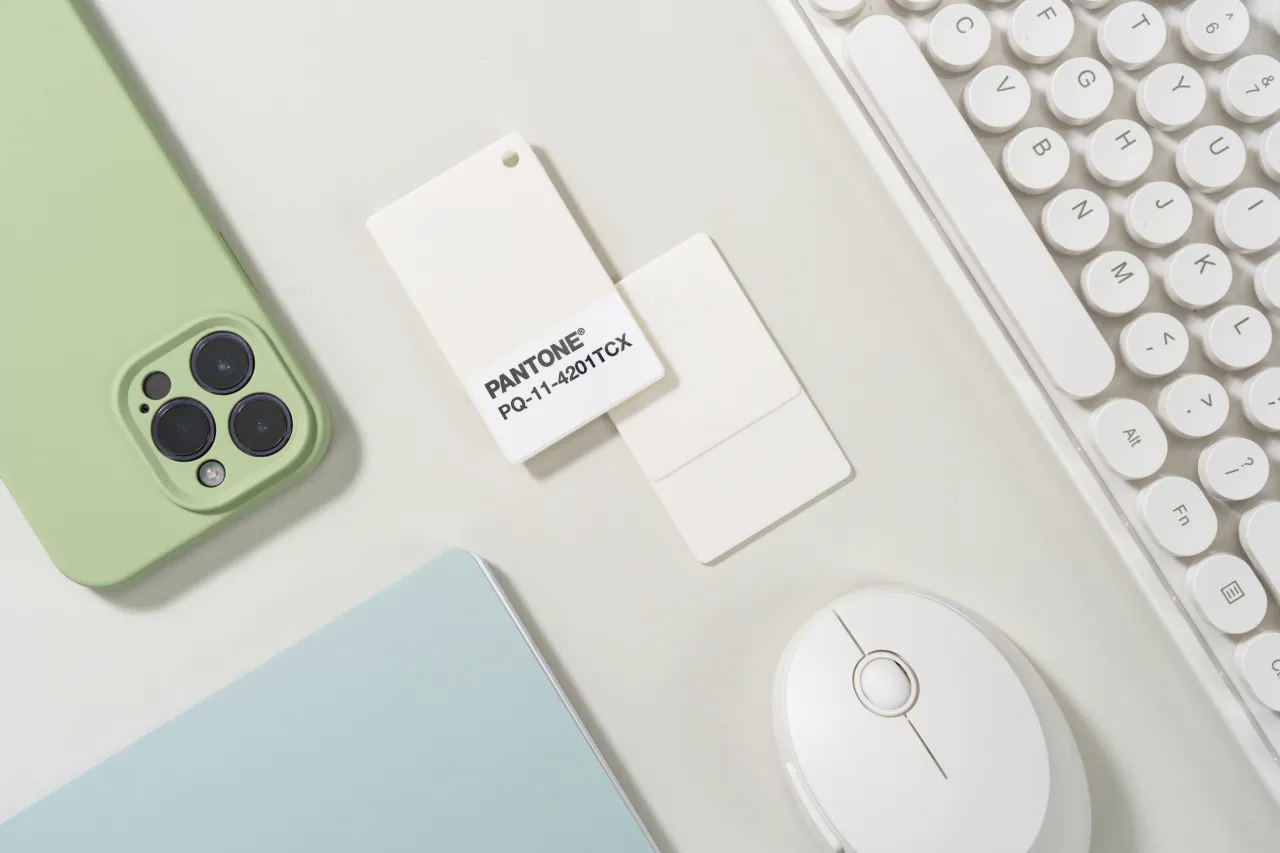
Pantone Declares "Cloud Dancer" the Colour of the Year — and It's a Deliberate Exhale
Pantone has announced its Colour of the Year for 2026: Cloud Dancer (PANTONE 11-4201). It's a soft, aerated white that aims to feel less like a colour and more like a pause — a quiet counterpoint to the overstimulation that defines so much of modern life, AI included. Pantone calls it a "hue of clarity," and Leatrice Eiseman, executive director of the Pantone Color Institute, admits: "The cacophony that surrounds us has become overwhelming." To celebrate, Pantone is commissioning artists to interpret the shade on their own terms — the first collaboration is a limited-edition tote bag with illustrator Emiliano Ponzi, kicking off a broader initiative running throughout 2026.

D&AD Black Pencil Winner Nils Leonard: "In a World of Shortcuts, Craft Is the Sexiest Thing You Can Do"
Uncommon Creative Studio, co-founded by Nils Leonard, has won a D&AD Black Pencil for "Periodic Fable" — a campaign for skincare brand The Ordinary that turned 49 beauty industry buzzwords into a parody of the periodic table, exposing the meaningless language saturating the category. In an interview published on Creative Boom, Leonard argues that beauty brands were producing "AI slop" long before AI existed, and that The Ordinary's response — rooted in exhaustive research, scientific consultation, and obsessive craft — is exactly the kind of work that breaks through. His conclusion: "In a world of AI and hacks and shortcuts, [real] work is sexy and attractive. When you see brands or people that have clearly taken the time and made the endeavour to make something like that, people want to reward it with attention."
Figma Weave Is Now in Everyone's Hands — Build and Share Your Own AI Design Tools
Weave tools now bring the power of generative AI workflows built in Figma Weave directly to the canvas in Figma Design — anyone can build and publish their own custom Weave tools to the Figma Community for other designers to use. Figma node takes this further: it lets you connect any existing Figma frame directly to a Weave workflow, choosing which text and image layers can change while keeping fonts, layout, and styling intact — enabling campaign variations, localised assets, and video at scale. Looking ahead, Figma's Release Notes EP8 virtual event on Wednesday September 30 (9AM PST) features a live Q&A with Chief Product Officer Yuhki Yamashita and previews updates to Figma Motion — free to attend and register now.
Design Week Turns 40 Today — Its Founding Editor's Best Lesson Is About Noticing Gaps
On its exact 40th anniversary, Design Week published an interview with founding editor Jeremy Myerson, who brought along a copy of Issue 1 — dated 26th September 1986 — to tell the story of the launch. Back in 1986, designers were "very much the backroom relations of the creative world" — advertisers and marketers got the limelight while designers sat quietly in the shadows. Myerson had spotted design as a burgeoning industry with no weekly paper of its own — and the magazine's Bauhaus-typography identity was chosen deliberately to signal that "design was not just a creative sector but a whole belief system." The original Issue 1 featured a live report from the Milan Furniture Fair, included specifically to prove a weekly design paper could operate in real time.
You’re done for today!
5 stories · under 10 minutes. See you tomorrow.
TODAY’S THREADEvery story today is a variation of the same lesson: **the gap is the idea.** Adobe noticed designers working across chat platforms with no creative tools available — and closed it. Pantone noticed an overstimulated world desperate for visual quiet — and named it. Nils Leonard noticed that beauty brands were drowning in meaningless language — and mapped it like a scientist. Figma noticed designers couldn't build their own AI workflows — and opened the door. Jeremy Myerson, 40 years ago today, noticed designers had no weekly paper of their own — and launched one. The tools are faster than ever, the colour palette has never been calmer, and the biggest award in the world just went to a campaign built on careful observation. Your job isn't to keep up. It's to notice what's still missing.