Adobe Adds Hands-On Editing Controls to ChatGPT Plugin
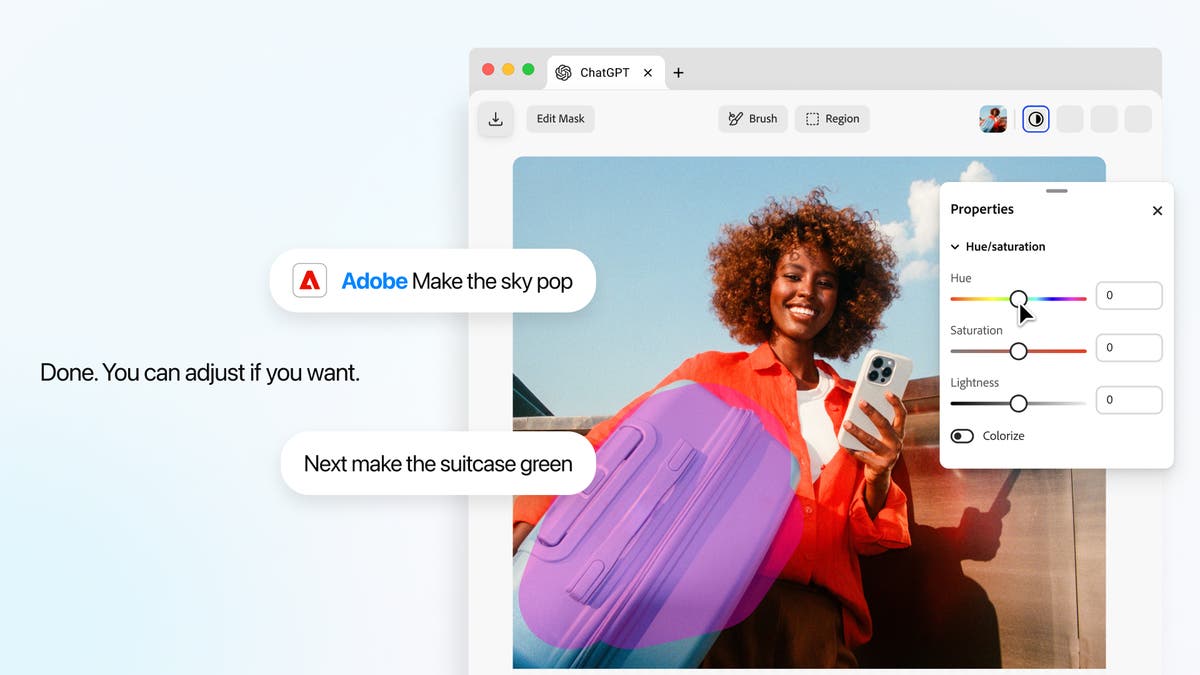
Alongside OpenAI's DevDay 2026, Adobe introduced new interactive editing experiences inside its ChatGPT plugin, giving users more hands-on control over images, designs, and PDFs. You can now select part of an image, ask ChatGPT to make changes via the Adobe plugin, and then fine-tune the result with new controls for hue, saturation, and more — all without leaving the conversation. You can also open a PDF directly in the side panel to revise text or highlight passages yourself.
Figma Motion Now Exports Lottie, Adds Audio and Text Animation
Released on September 30, Figma Motion's latest update makes animation more reusable, expressive, and portable. You can now drag an audio file onto any motion clip or timeline, trim it, and export audio alongside your animation in MP4 and WebM formats. Individual characters, words, and lines within a text layer can now be animated, and text stays fully editable after animation is applied. On top of that, animations can now be exported as Lottie or dotLottie files — making handoff to developers dramatically cleaner.
Adobe Is Everywhere — And That's a Creative Workflow Lesson
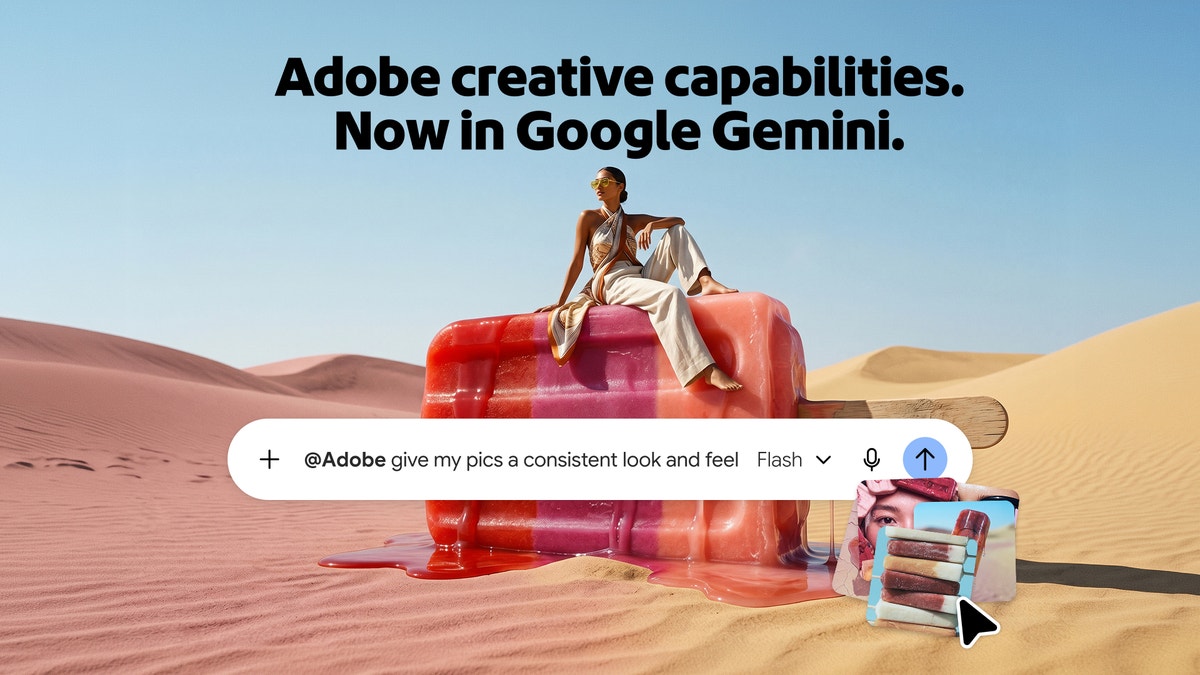
Adobe is expanding access to its pro-grade tools across AI chatbot platforms, bringing its creative tools to Google Gemini, and in Claude, uniting Acrobat tools together with its existing creative tools plus introducing new hands-on editing capabilities. Adobe has already brought its tools to ChatGPT, Claude, Slack, and Copilot — and Gemini is the latest addition. The pattern is unmistakable: Adobe is betting that creatives will work inside AI conversations, not despite them.
The Supporting Act Foundation Artist Grant — Deadline Is Tomorrow
The Supporting Act Foundation — WeTransfer's independent arts charity — has a grant deadline arriving imminently, flagged on It's Nice That's live feed as closing tomorrow (October 3). The Supporting Act Foundation offers grants of €10,000 to €20,000 to underrepresented artists, community-centred projects, and initiatives, with a mission to open up entry points into the arts and tackle barriers that make the industry inaccessible. One grant stream — the Creative Bursary — is specifically targeted at students seeking to pursue a career at the intersection of arts and technology.
It's Nice That Reveals Its Ones to Watch 2026 — 72 Emerging Creatives
It's Nice That has unveiled its Ones to Watch 2026 showcase, featuring 72 of the most exciting emerging graphic designers, illustrators, animators, artists, filmmakers, and photographers from around the world. The cohort spans cities from Moscow to London to Shanghai, with practices ranging from analogue printing techniques combined with subversive editorial systems to experimental typographic systems to protest art through print and textiles — a deliberately wide definition of what emerging design looks like in 2026.
You’re done for today!
5 stories · under 10 minutes. See you tomorrow.
TODAY’S THREADEvery story today points at the same shift: **the tools are merging, the formats are expanding, and the barrier to entry is lower than ever** — which means the only thing left that actually differentiates your work is *intentionality*. Adobe is in every chatbot. Figma exports Lottie with audio. Grants exist for students. Seventy-two emerging creatives just got published by one of the industry's most trusted editorial voices. The infrastructure is there. The question the industry is quietly asking right now is: *what do you do with it?*