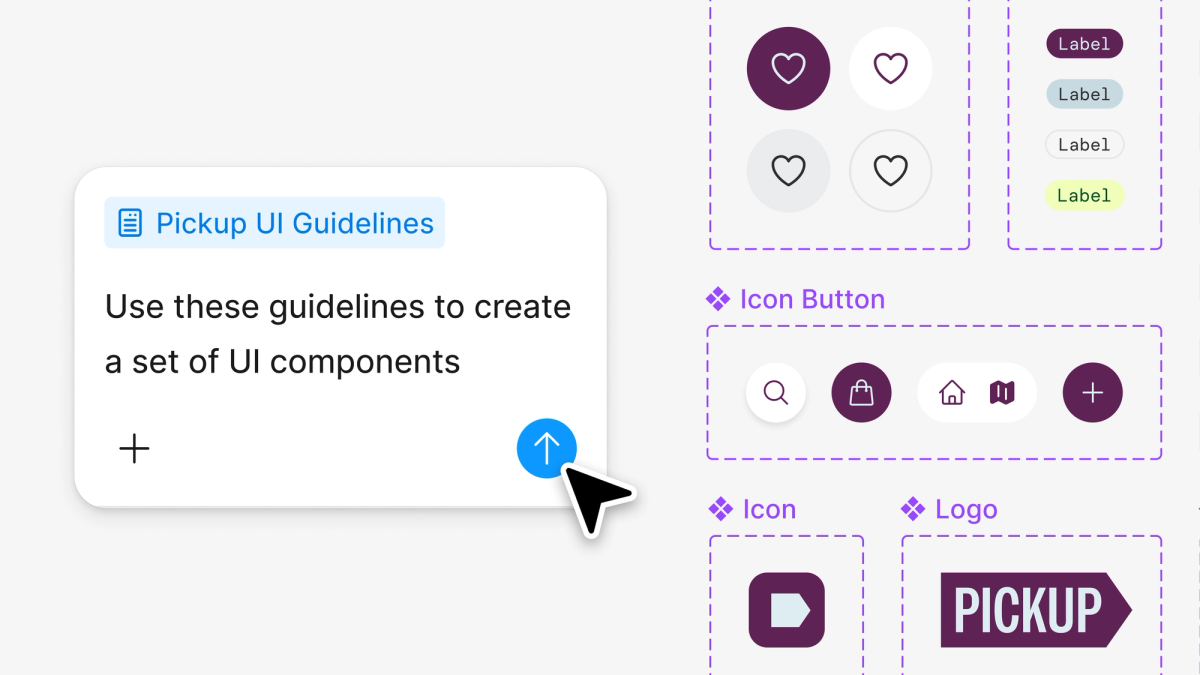
Figma Specs: Context Stored on Canvas
Figma just launched Specs, a markdown-based container that lives directly on your design canvas. It holds all the context your team needs—notes, guidelines, decisions—without leaving the tool you're already using.

3D Artist Skander Mallouki Explores Fractured Identity in ZBrush
3D sculptor Skander Mallouki uses ZBrush to create striking character work that examines fragmented self-perception. His work shows how digital sculpting can push beyond technical skill into emotional territory.

LAIKA's Nelson Lowry: Mistakes Lead to Mastery
Nelson Lowry, production designer at animation studio LAIKA, shares that raw creative challenges force you to fail fast—and that's where real learning happens. You don't get it right by playing it safe.
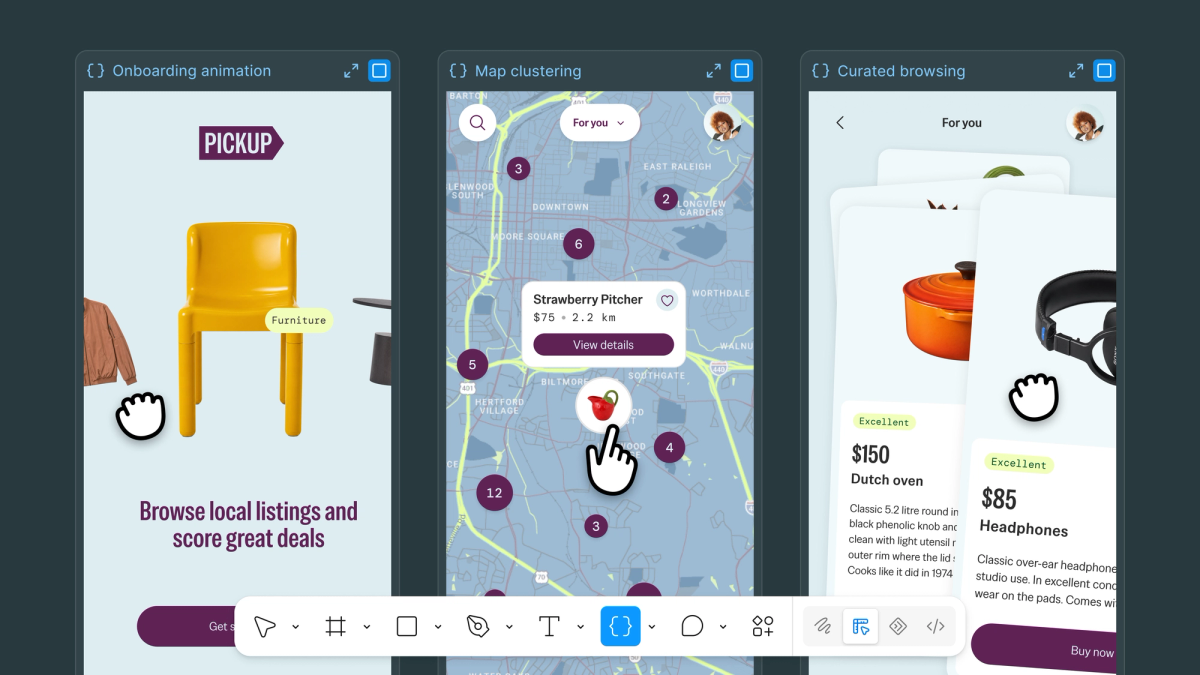
Code Layers in Figma: Design Meets Development
Figma's code layers feature moved into open beta, letting designers and developers build interactive prototypes directly on the canvas with actual code backing the visuals. No context-switch, no handoff limbo.

FutureDeluxe Transforms Ferrari into Water: Livery as Storytelling
Motion studio FutureDeluxe created a cinematic launch film for Ferrari's Hypersail project, shifting the iconic racetrack brand into an aquatic context through visual narrative and livery design. One brand, two worlds, one film.
You’re done for today!
5 stories · under 10 minutes. See you tomorrow.
TODAY’S THREADEvery story here points to the same truth: **good design lives in the space between tools and thinking.** Figma's Specs and code layers aren't magic—they're just removing friction so your ideas move faster. Skander Mallouki's ZBrush work, Nelson Lowry's permission to fail, FutureDeluxe's brand transformation—they all require you to use your tools as thinking partners, not just output machines. The best designers aren't the fastest with software. They're the ones who use software to ask better questions.