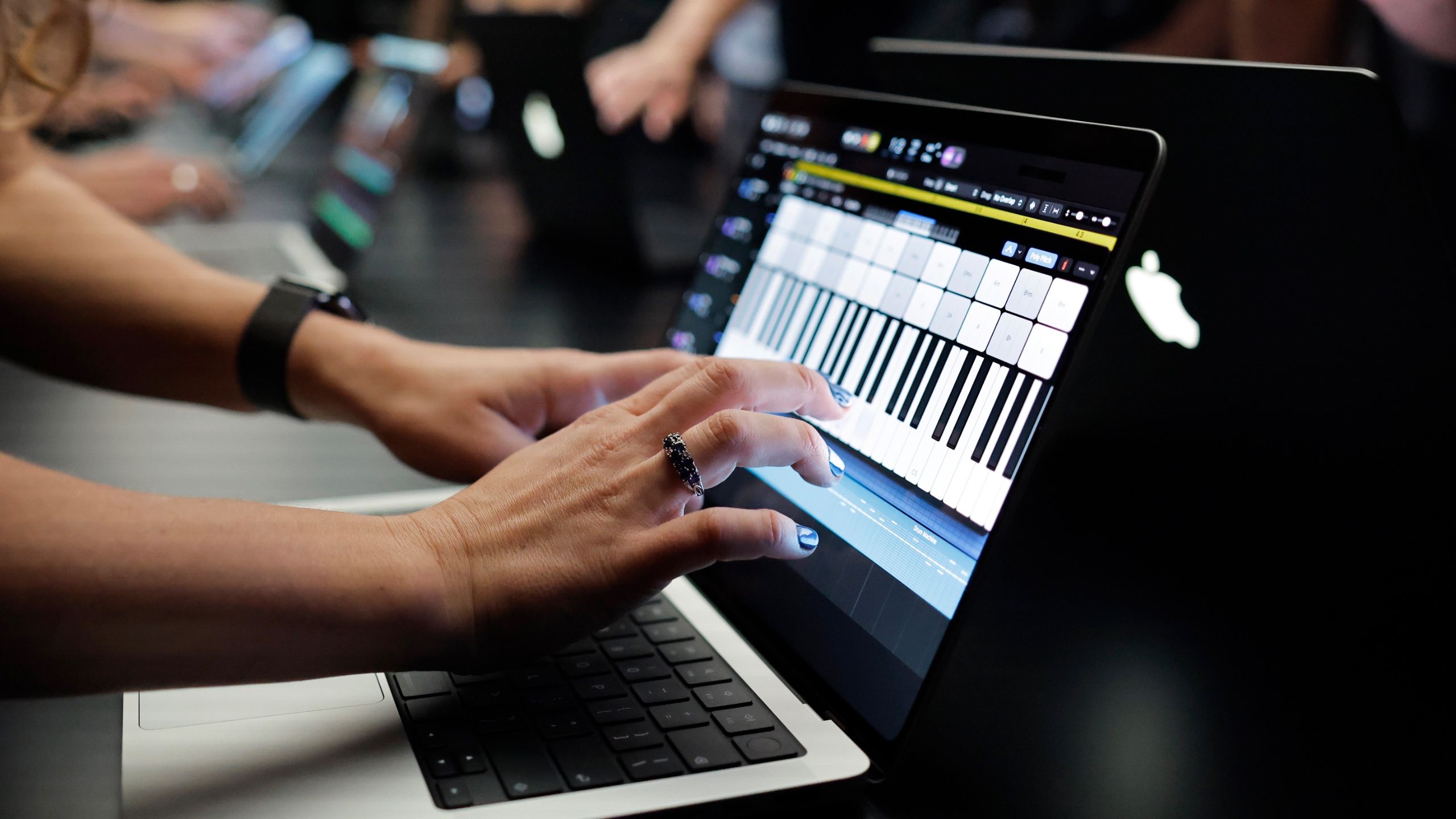
Apple's Touchscreen MacBook Pro Exceeds Expectations
Apple released a MacBook Pro with PROLED XDR Display featuring touchscreen capability, and early hands-on reviews are surprisingly positive. The integration works better than skeptics predicted.
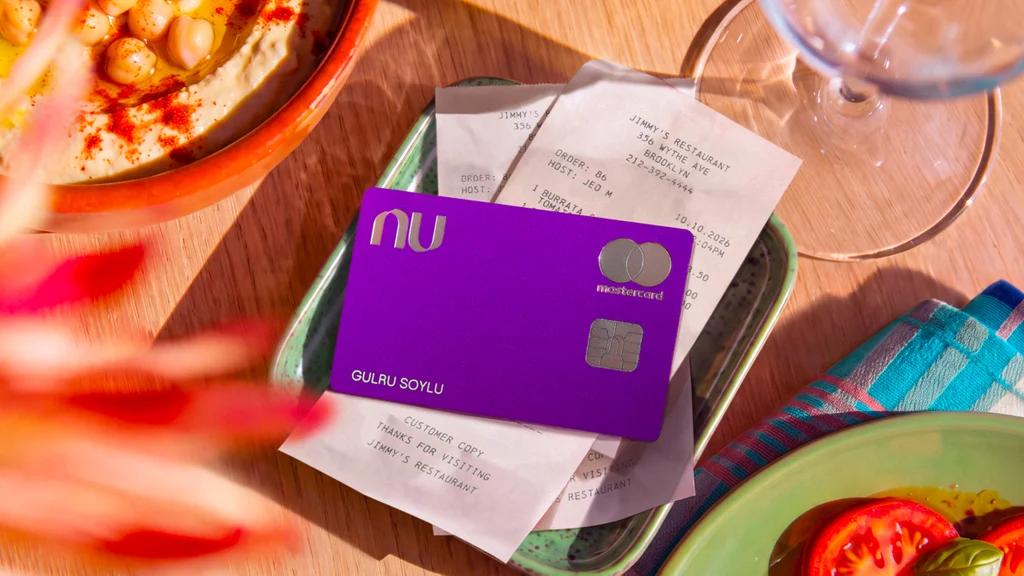
How Branding Beats Features in a High-Stakes Launch
Nubank, a Brazilian digital bank launching in the U.S., faced a puzzle: building payment platforms and customer support were straightforward. The real challenge was branding. Designers at Nu discovered that visual identity—not just functionality—was the hardest strategic problem to solve.
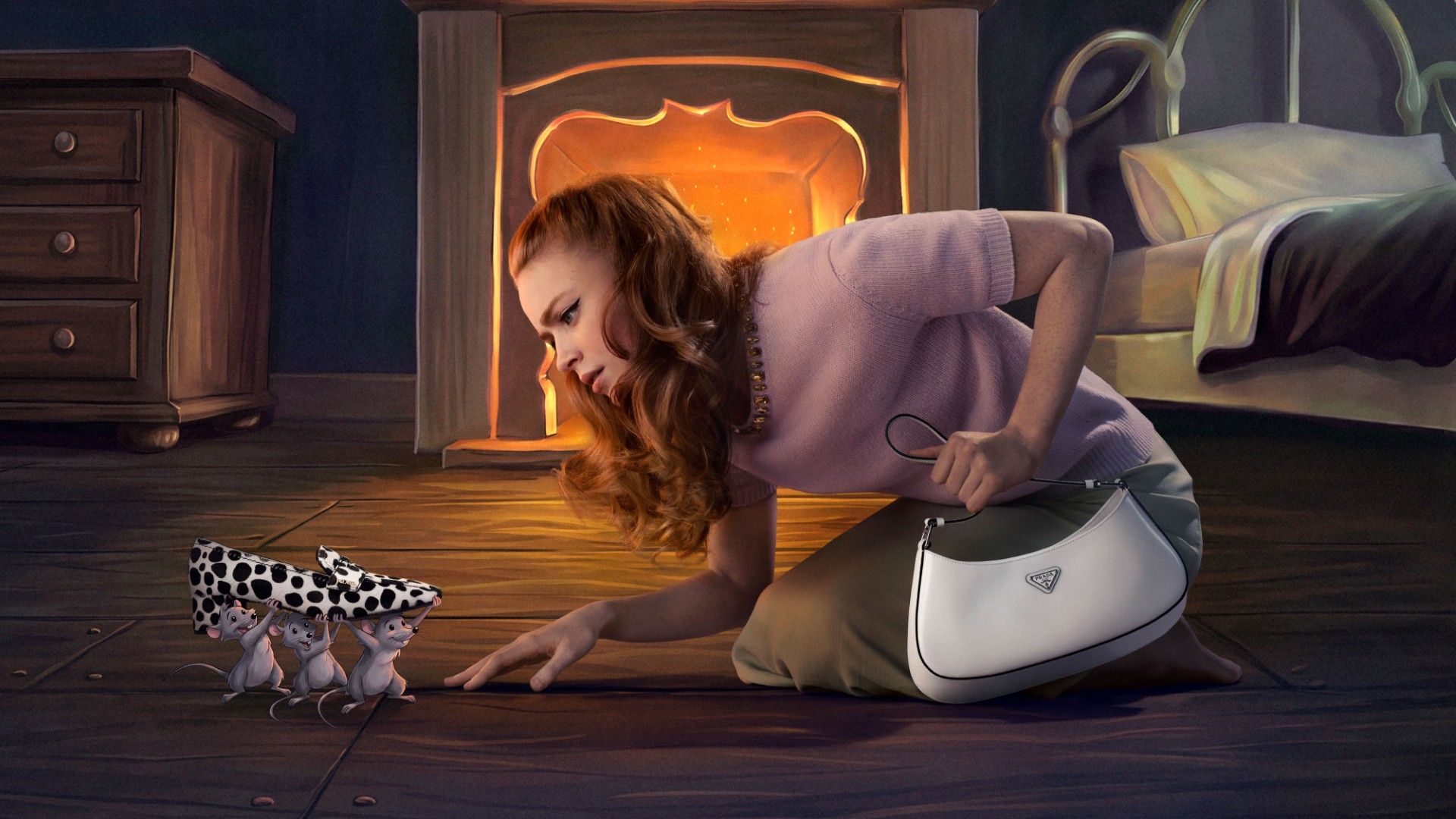
Hand-Drawn Animation Beats AI in Holiday Campaigns
Prada partnered with animation veterans to create a hand-drawn holiday campaign, delivering craft and joy in a moment when brands are flooding feeds with AI-generated content. The campaign is being celebrated as proof that human skill still wins.

Game AI Engine Adds Memory to NPCs Without Replacing Creators
Atelico released an on-device AI toolkit that gives non-player characters (NPCs) in games persistent memory and personality. The tool runs locally and is explicitly designed to augment—not replace—game developers' work.
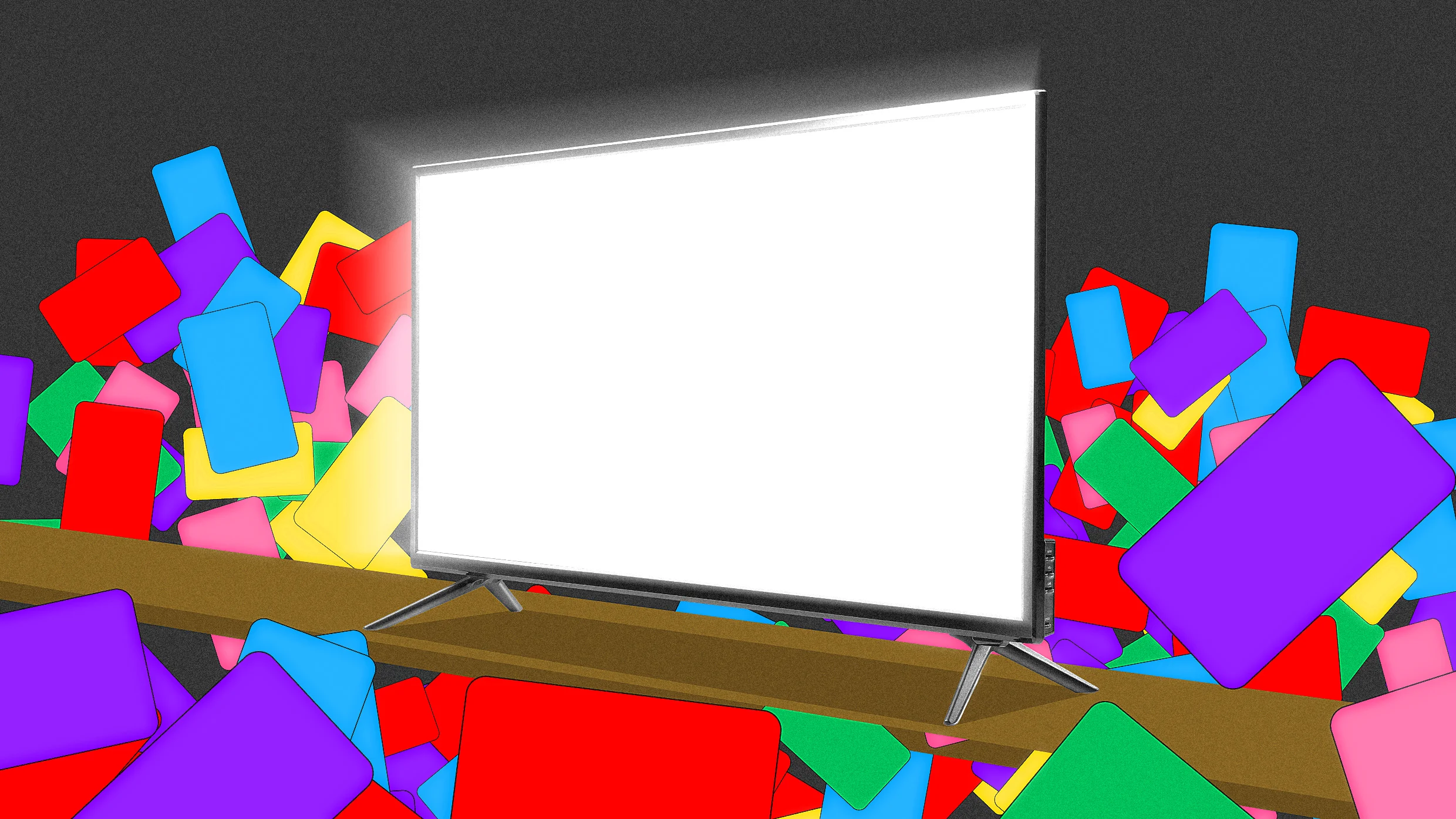
Turn Clutter into Design in 90 Minutes
Igor Aguiar redesigned his Amazon Fire TV home screen in 90 minutes using AI prompts, replacing ads and clutter with a sleek, personalized launcher. The project shows that one person with clear vision can rethink an interface.
You’re done for today!
5 stories · under 10 minutes. See you tomorrow.
TODAY’S THREADFour of these stories show the same pattern: **craft + constraint = soul**. Apple's touchscreen works because it respects how creatives actually work. Prada's hand-drawn campaign wins because it refuses shortcuts. Atelico's AI stays local because it trusts the creator. Aguiar's TV redesign shines because he cut away the noise. The message is clear—whether you're designing tools, campaigns, games, or interfaces, the work that resonates is the work that *serves* human creativity, not replaces it.