Figma Launches AI-Powered "Make Design" Overhaul
Figma has rolled out a significant upgrade to its AI-driven Make Design feature, allowing designers to generate multi-screen UI flows from plain-text prompts directly inside design files. The update includes smarter component matching, so generated screens pull from your existing design system rather than creating generic placeholders. Early community feedback posted to the Figma Community blog highlights dramatic speed gains on wireframing sprints.

AIGA Publishes Student Guide to Design Research Sprints
AIGA Eye on Design has published a practical breakdown of compressed design research sprints aimed at students and early-career designers, drawing on methods used at studios running tight client turnarounds. The guide outlines a three-phase loop — observe, synthesise, prototype — that can be completed in a single afternoon. Contributors include working creative directors who detail exactly how they adapt agency-level research for small teams.
Jessica Walsh on Rejecting "Safe" Visual Choices in Student Work
&Walsh founder and Creative Director Jessica Walsh shared a candid reflection across her studio's channels about the single most common mistake she sees in student portfolios: defaulting to visual choices that feel safe rather than specific. She argues that specificity — a colour that feels wrong, a typeface that creates friction — is what makes a portfolio memorable to a hiring creative director. The post has been widely circulated within the It's Nice That community feed this week.

D&AD New Blood Awards: Final Entry Window Now Open
D&AD New Blood Awards — the most globally recognised student and graduate design competition — currently has its final entry window open, with submissions closing in the coming days across multiple briefs set by real brands including live industry clients. The competition is open to students and designers aged 18–25, with briefs spanning graphic design, branding, digital experience, and motion. Pencil winners are regularly recruited directly by the studios that set the briefs.
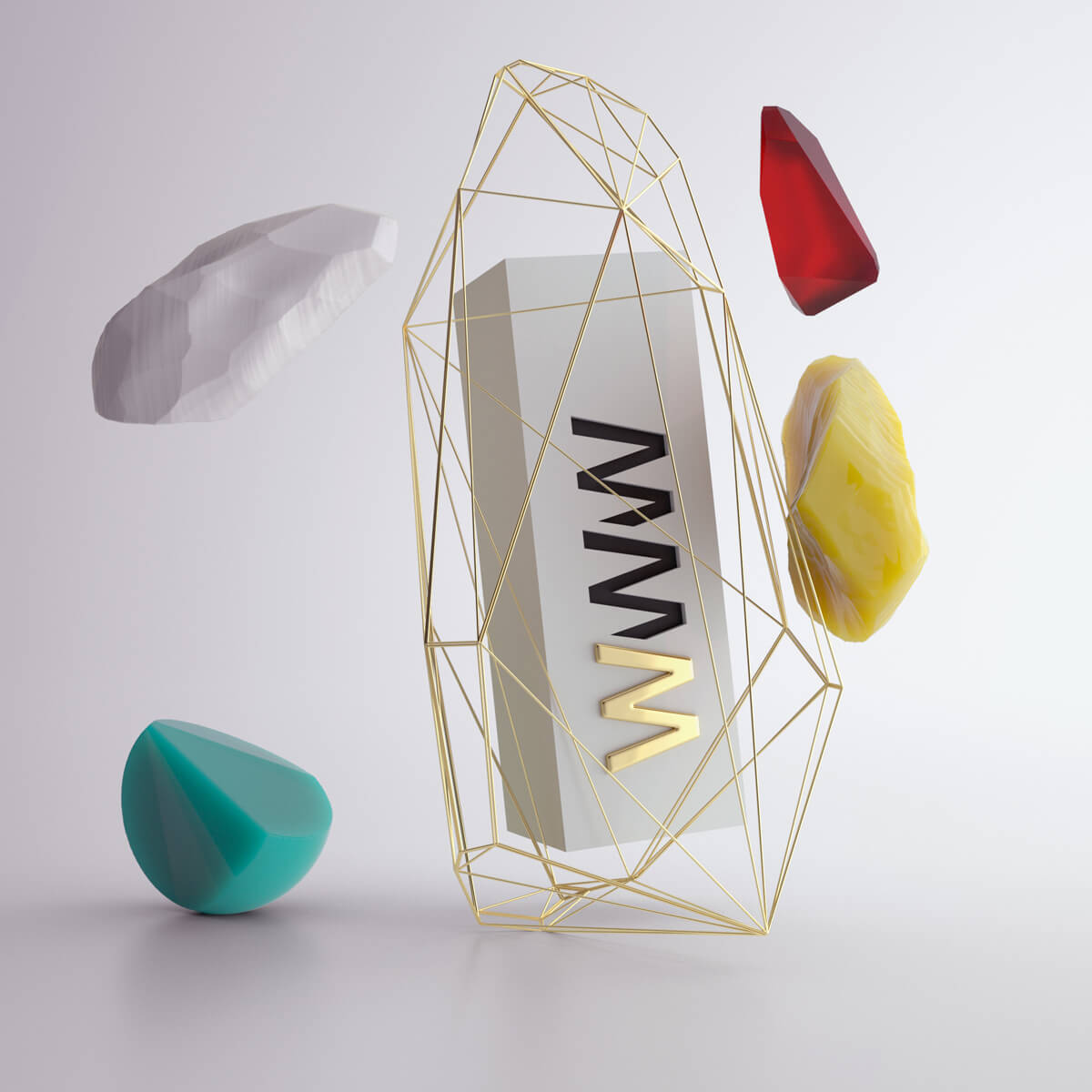
Awwwards Spotlights "Emotional Load" as 2026's Defining Web Trend
Awwwards has published an editorial trend analysis identifying "emotional load" — the intentional use of pacing, whitespace, micro-animation, and typographic tension to control how a visitor feels second by second — as the defining quality separating award-winning sites in 2026 from competent ones. The piece references recently honoured sites and breaks down the specific techniques their designers used to create emotional contrast. It positions emotional load as a learnable craft skill, not a vague concept.
You’re done for today!
5 stories · under 10 minutes. See you tomorrow.
TODAY’S THREADEvery story today circles the same truth: the tools are getting faster, the frameworks are getting tighter, the competitions are more accessible — but the single thing that cannot be automated, templated, or entered on autopilot is **specificity**. Figma's AI fills in the generic; Walsh warns against the safe choice; D&AD rewards genuine interest over calculated entries; Awwwards celebrates designers who engineer exact emotional moments rather than approximate ones. The students who win this year are not the ones who use the most tools — they are the ones who make the most deliberate decisions inside them.