Figma Node Bridges Your Designs Straight Into AI Workflows
As of September 17, Figma shipped "Figma node" — a feature that lets you connect designs you've already created in Figma Design directly to your Figma Weave workflows. Copy a frame from Figma Design, paste it into Figma Weave, and it becomes a node in your workflow — you select which text and image layers can change while keeping the original fonts, layout, and styling intact, then use your existing brand materials to produce campaign variations, localised assets, new visuals, and videos. Figma node is available now, connecting your Figma and Weave canvases in one creative flow.
What a Viral Typography Fail Teaches You About Your Own Blind Spots
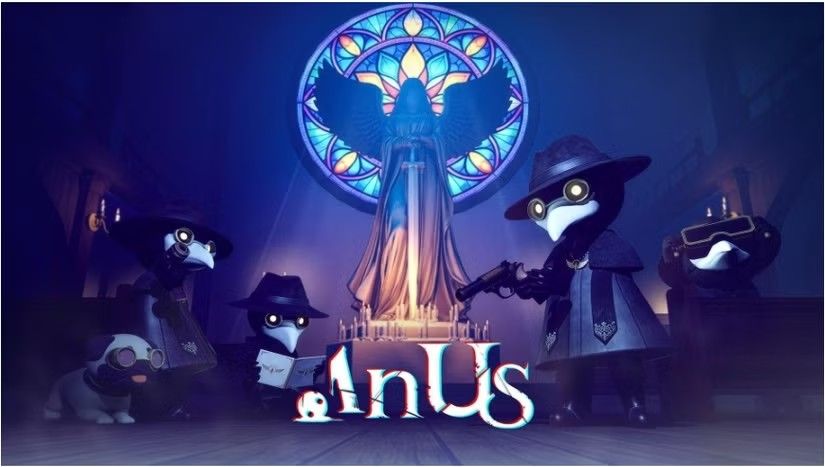
Creative Bloq writer and published author Tom May dissected a high-profile typographic blunder in a horror game's key art on September 19. His diagnosis: most of the time, a typography fail is a symptom of designers spending hours staring at a logo up close, at high resolution, usually on a big screen — after a while, you stop seeing the letters as letters and start seeing them as shapes to be balanced. This means it's easy to miss what a word looks like to someone glancing at it cold — at thumbnail size, on a phone, for half a second — and stylised display type only makes it worse. May connects this to the "Invisible Gorilla" experiment by researchers Christopher Chabris and Daniel Simons, which showed that people focused on one thing can easily overlook something else happening in plain sight.
Greta Gerwig's Narnia Logo Sparks a Real Debate About Fantasy Film Branding
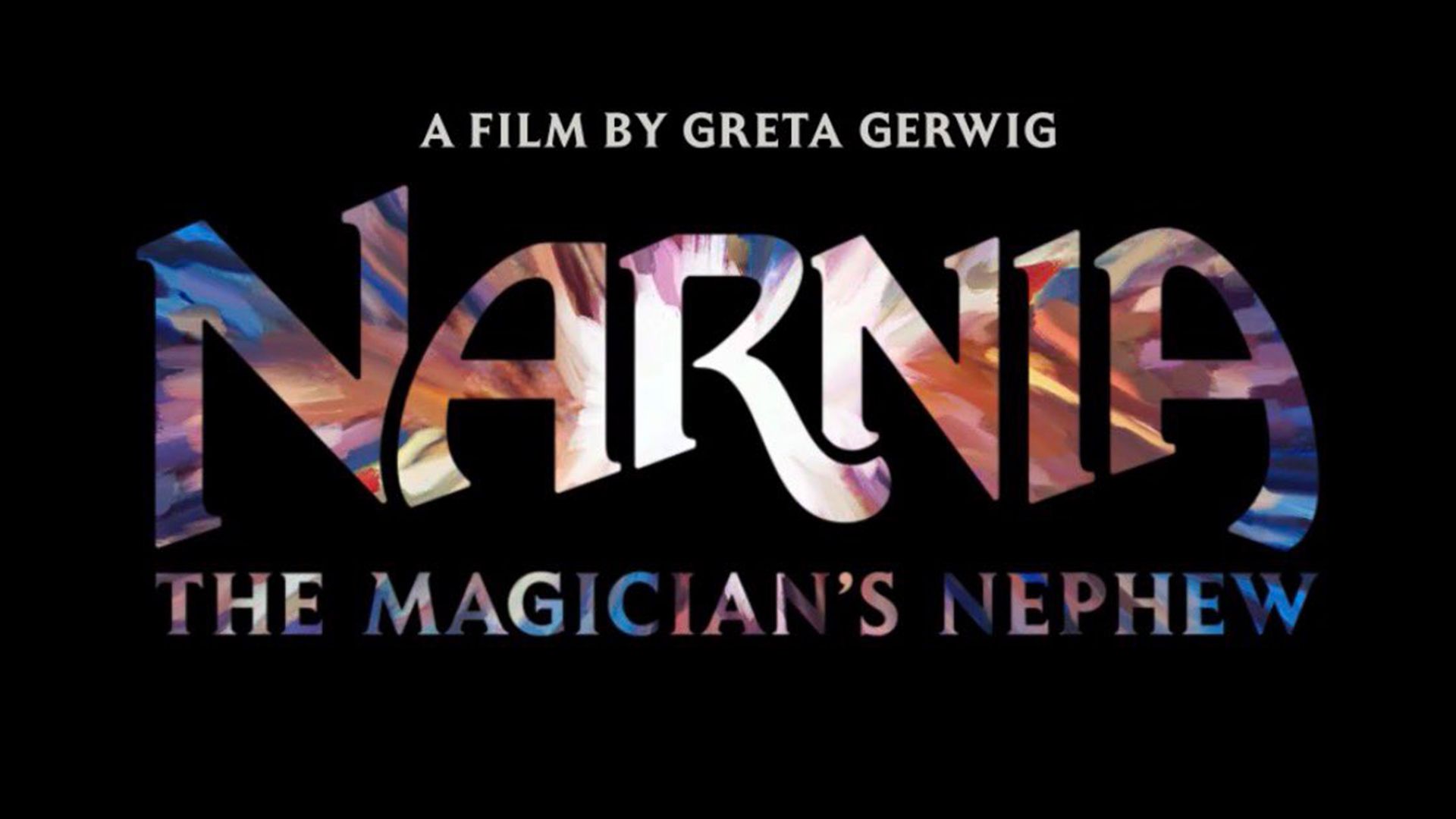
On September 17, *Empire* magazine revealed the world-exclusive logo for Greta Gerwig's *Narnia: The Magician's Nephew* — alongside her first look at Aslan, voiced by Meryl Streep. Despite the refreshed look, the logo proved divisive: one X user wrote "It's more Tron than Narnia," while another said "Even the title looks woke." Others were intrigued, with fans writing "Greta Gerwig's vision is already looking magical!" Creative Bloq covered the discourse on September 19, with writer Natalie Fear noting the logo "oozes magical energy."
Brand Impact Awards 2026 Winners Drop Today — Study the Shortlist Right Now
The Brand Impact Awards 2026 (presented by Creative Bloq) announce their winners today — September 22 — with a live celebration event, and the full winners list going live on the site. From more than 200 submissions, just 29 agencies made it through to the shortlist, with a total of 41 projects across categories. The ultimate awards are comprised of Gold, Silver, and Bronze honours, alongside top distinctions of the Social Impact Award and Best of Show.
Adobe's AI Assistant Lands in After Effects — Motion Design Has a New On-Ramp
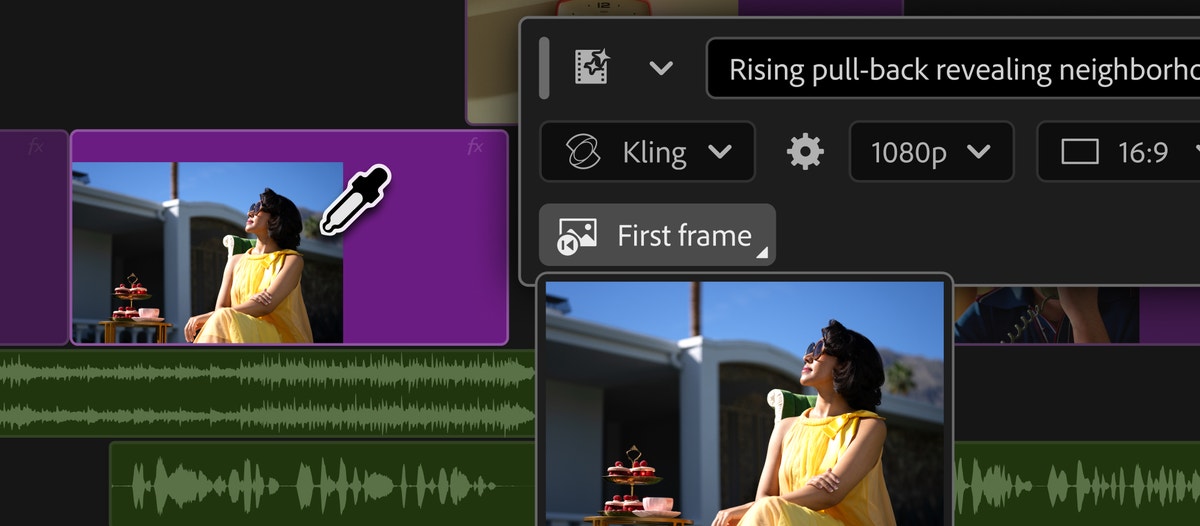
Adobe expanded its creative AI agent to professional video workflows, including motion design, with AI Assistant now available in public beta in After Effects. The AI Assistant offers a more intuitive way into the application — designed, Adobe says, to automate tedious tasks and give creators more time back for the creative craft they love. The Television Academy is also recognising Premiere with an Engineering, Science & Technology Emmy Award for Outstanding Achievement — a milestone that signals how deeply professional workflows now depend on Adobe's toolchain.
You’re done for today!
5 stories · under 10 minutes. See you tomorrow.
TODAY’S THREADEvery story this week carries the same undercurrent: **the tools are catching up to ideas faster than ever, and the competitive edge is shifting from technical mastery to critical judgment.** Figma's node connects your existing work to AI output at scale. Adobe's assistant cracks open After Effects for anyone willing to ask it a question. The Narnia logo debate is a live semiotics exam. The typography fail is a lesson in perceptual blind spots that no software can save you from. And the Brand Impact Awards shortlist is a free, expert-curated curriculum dropping today. The designers who will win are the ones who can evaluate, question, and direct — not just produce.