Figma's AI Agent Is Officially Out of Beta
On October 6, Figma made its built-in AI agent generally available, meaning it's now a full, finished feature rather than a test version. It's faster, it can search your Figma files from inside the chat, and you can paste parts of a design into the prompt box as a reference. Teams can also upload "guidelines" files that teach the agent their design rules. One catch: it now uses AI credits, so how much you can use it depends on your plan.

Designing a Typeface for a 128-Pixel Screen
London studio Love And Money designed the identity for Orchid, a synthesiser from Tame Impala's Kevin Parker, along with a tiny typeface called Chunky Roll for its 128×128 pixel screen. Every character, including its spacing, had to fit within 14–18 pixels in height. To make that work, the team built the letters on a pixel grid, using strokes two pixels tall and one pixel wide, and kept the counters (the enclosed spaces inside letters like "o" and "e") open so the text stays readable.
Depop's Brand Lead: Earn the Right to Speak
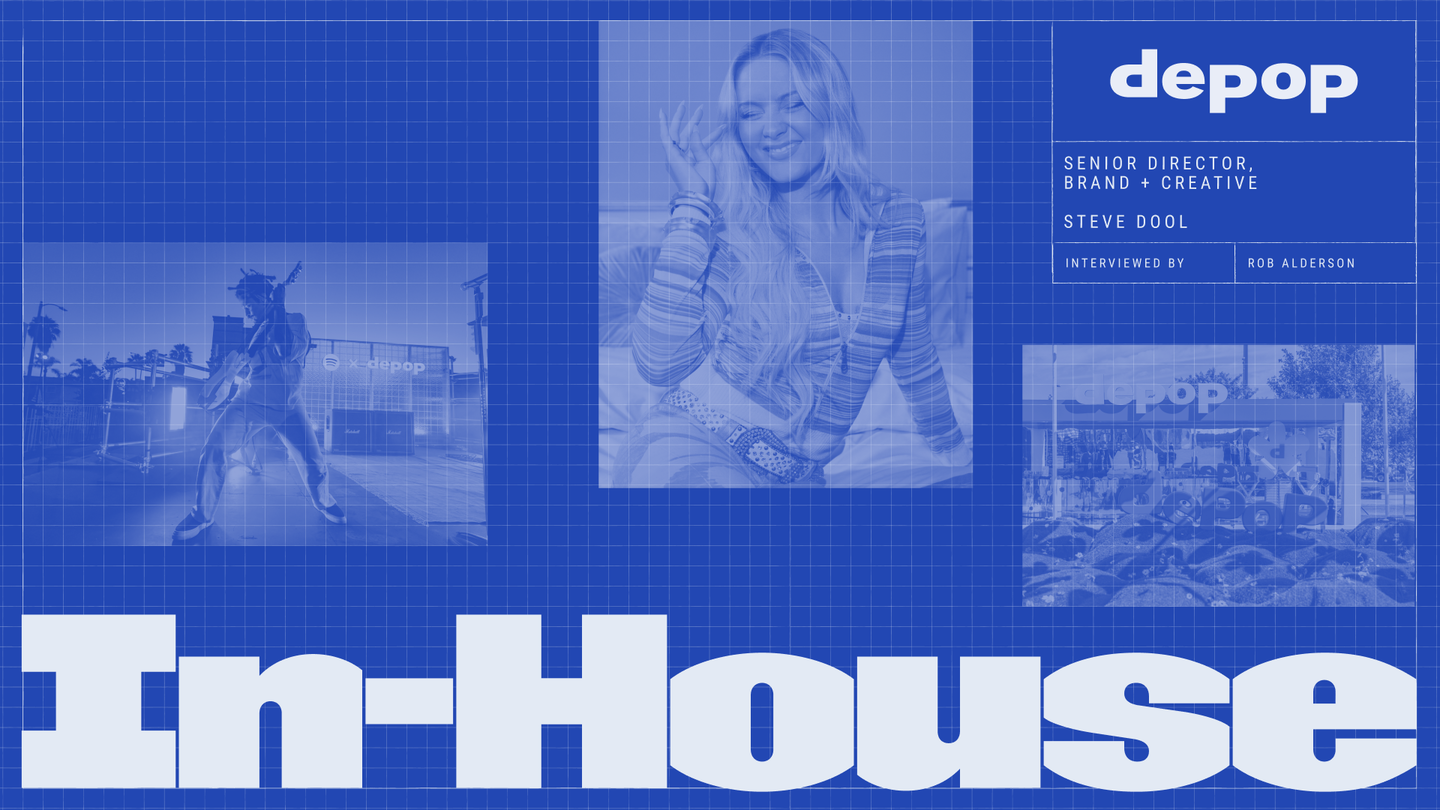
Steve Dool, Senior Director of Brand and Creative at Depop, told It's Nice That that before the brand jumps on any trend, his team asks: *"Do we have any right to speak in this conversation? Does anyone actually want us to participate?"* He describes building a brand as a long game. You start with small creative risks, such as licensing a recognisable song, and use the results to build trust for bigger ideas over time. He also prefers collaborators who help shape the work rather than just "show up on set and read the lines."
ArtCraft: A Free, Open-Source Creative Cloud Rebuild
Software engineer Brandon Thomas released ArtCraft, a free, open-source suite of apps modelled on Adobe's, including Photoshop, Illustrator, Premiere, Lightroom, After Effects, InDesign and Acrobat. He says he used AI to help rebuild them in the programming language Rust, and they run on Mac, Windows and Linux. "Open-source" means anyone can see, use and improve the code for free. The suite is brand new, so expect rough edges compared with the tools it copies.
A Student's Imperfect Sketches Became a Real Typeface
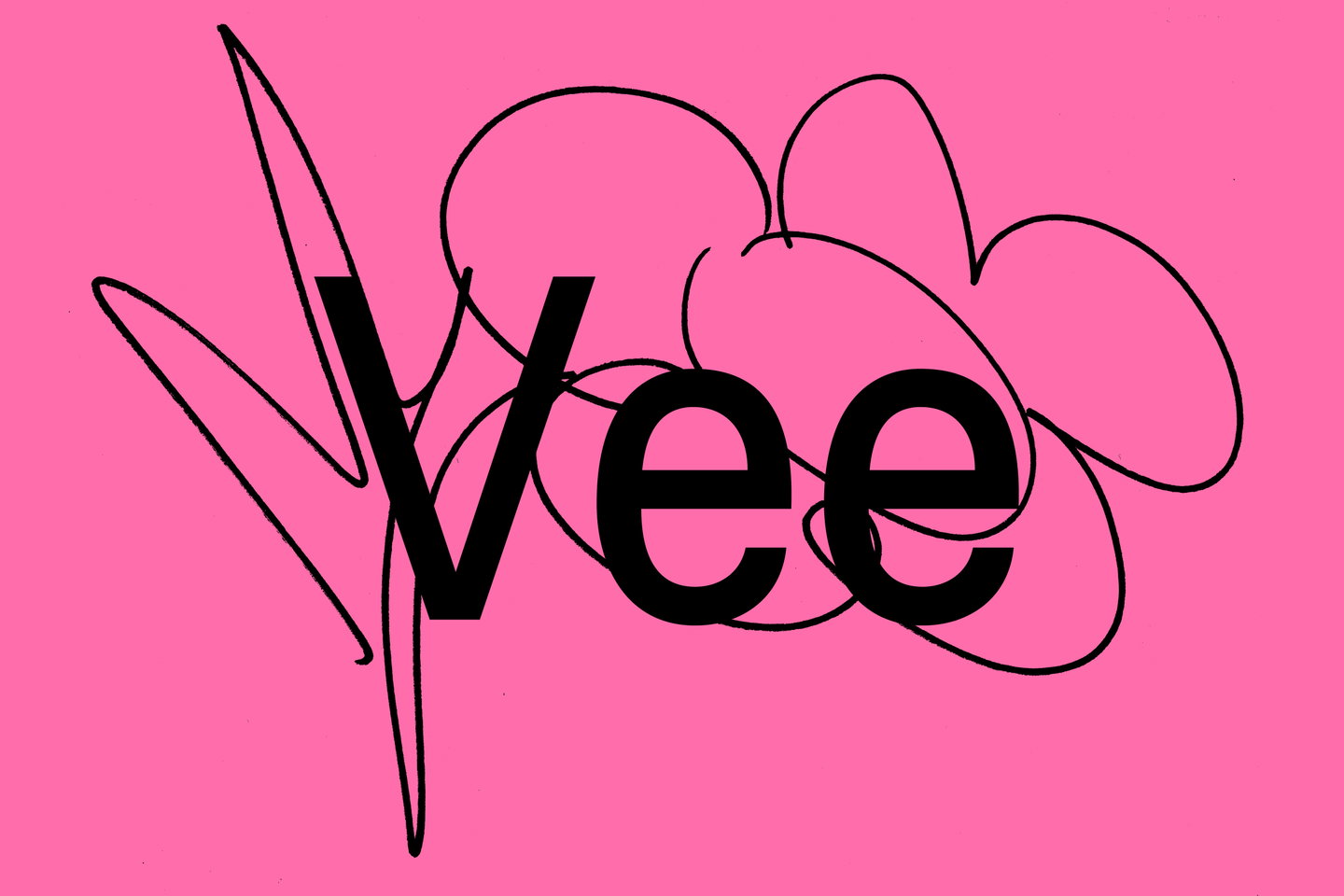
Designer Laura Pappa started the typeface *Vee* in a 2022 student type-design course at the Estonian Academy of Arts. Foundry Tüpokompanii (a company that designs and sells fonts) turned it into a five-style font family. Instead of correcting her quirks, they amplified them: *"We wanted to see what choices she had made independently and push those further."* It was released alongside a book called *Let yourself be bad at things*.
You’re done for today!
5 stories · under 10 minutes. See you tomorrow.
TODAY’S THREADEvery story today is about **working within limits instead of fighting them**: a 128-pixel screen, a free tool with rough edges, an AI that has to follow your rules, a brand that holds back until it has something to say, and a student's flawed sketches turned into a font. Constraints don't hold creative work back. They shape your style. *Note: Slot 4 is a second TOOL SPOTLIGHT. No qualifying student or under-25 opportunity with an upcoming deadline from a recognised industry body was found today.*